
Landscaping before you sell: what actually helps a sale
By Elena Haddad · Updated 2026-07-18
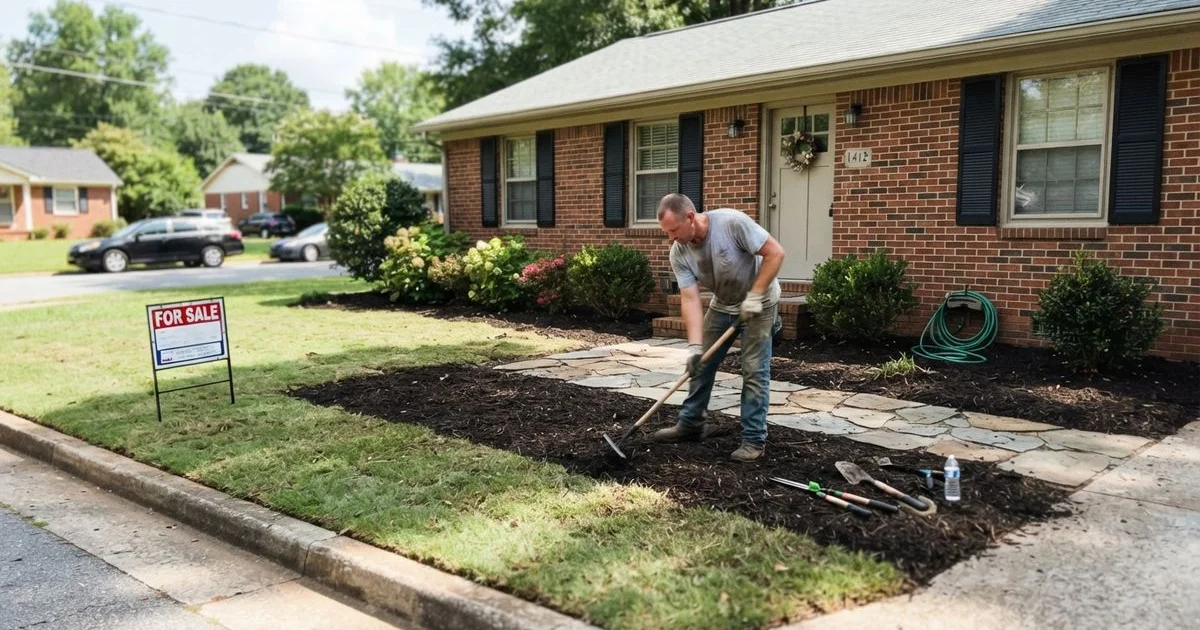
Curb appeal genuinely affects how buyers respond to a listing, but not every landscaping dollar spent before a sale comes back to you. The trick is knowing which projects earn their cost back through a faster sale or a stronger offer, and which ones are really just for your own enjoyment.
What tends to be worth doing
A real cleanup, not a cosmetic patch. Overgrown beds, dead or dying plants, and a lawn that has been neglected for a season are the first things a buyer notices, often before they get out of the car. Fixing these is relatively inexpensive and has an outsized effect on first impressions.
Fresh mulch and defined bed edges. This is one of the cheapest ways to make an entire property look cared for. Clean, sharp edges between lawn and beds read as maintained even if the plantings themselves are modest.
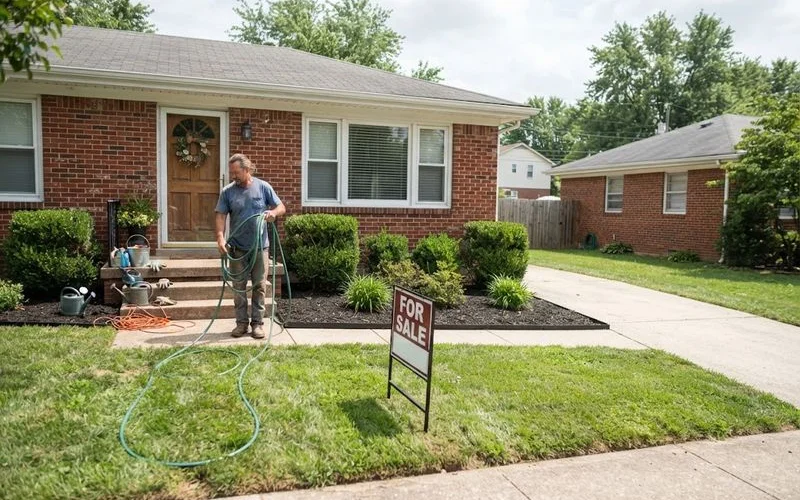
Basic lawn health. A green, evenly mowed lawn signals the whole property has been looked after. If your lawn has bare patches or heavy weed pressure, addressing it a few weeks before listing, rather than the day before, gives it time to look established instead of freshly treated.
Fixing visible drainage problems. Standing water or a soggy patch near the foundation is exactly the kind of thing that comes up during an inspection or spooks a buyer walking the property. Resolving it ahead of listing avoids it becoming a bigger negotiating point later.
What is usually a lower-priority investment
Large new hardscape projects. A brand-new patio, retaining wall, or outdoor kitchen is expensive and reflects your taste more than a universal buyer preference. Unless comparable homes nearby clearly have this kind of feature and yours notably lacks one, this is rarely worth starting from scratch just before a sale.
A full landscape redesign. New plantings take time to establish and look intentional. A redesign started right before listing often looks exactly like what it is: rushed and recent, which can undercut the polished impression you are going for.
Specialty features like elaborate lighting systems. These can be a nice touch but rarely move the needle enough to justify a late, one-time investment purely for resale.
A rough way to prioritize
| Project type | Typical payoff relative to cost |
|---|---|
| Cleanup, mulch, edge definition | High: relatively cheap, big visual impact |
| Lawn health and repair | High: signals overall property care |
| Fixing visible drainage issues | High: avoids becoming an inspection or negotiation issue |
| New hardscape (patio, walls) | Lower: expensive, reflects personal taste, slow to recoup |
| Full landscape redesign | Lower: new plantings look unestablished, timing is hard to get right |
| Elaborate lighting or water features | Lower: nice-to-have, rarely decisive for buyers |
Timing matters as much as the project itself
Start yard work several weeks before your first showing if possible. Mulch that has had time to settle and plants that have had a few weeks to root in look established rather than staged. Buyers and their agents notice the difference between a yard that has been consistently maintained and one that was clearly refreshed the week before photos were taken. If you are not sure when to start relative to your listing date, our seasonal lawn care calendar can help you plan backward from when mulch and new plantings actually look established.
Getting a second opinion before spending
If you are unsure whether a specific project is worth the investment for your situation, a quick conversation with your real estate agent about what buyers in your specific neighborhood respond to is often more useful than a general rule. What moves a listing in one price range or neighborhood does not always apply to another.
Browse Spartanburg landscaper listings for providers who handle pre-listing cleanups and refreshes, and check our methodology for how we evaluate them.
Questions people ask
- Is it worth installing a full patio before selling?
- Usually not, unless the property clearly lacks any outdoor living space and comparable homes in the area have one. Large hardscape projects take time and money to recoup, and buyers do not always value a specific design choice the same way the seller did.
- What is the single highest-impact project before listing?
- A thorough cleanup and refresh of what already exists, mowing, edging, mulch, dead plant removal, tends to have the best return relative to cost, since it fixes the first impression without a large investment.
- Should I fix a drainage problem before selling?
- If it is visible or likely to come up during an inspection, yes. An unresolved drainage issue can spook buyers or become a negotiating point that costs more in a price reduction than the fix would have.
- How far in advance should I start yard work before listing?
- A few weeks at minimum, so new mulch settles and any minor plantings have time to look established rather than freshly placed. Rushed, last-minute work is often visible to a trained eye.