
Sprinkler system installation cost: what drives the price
By Elena Haddad · Updated 2026-06-22
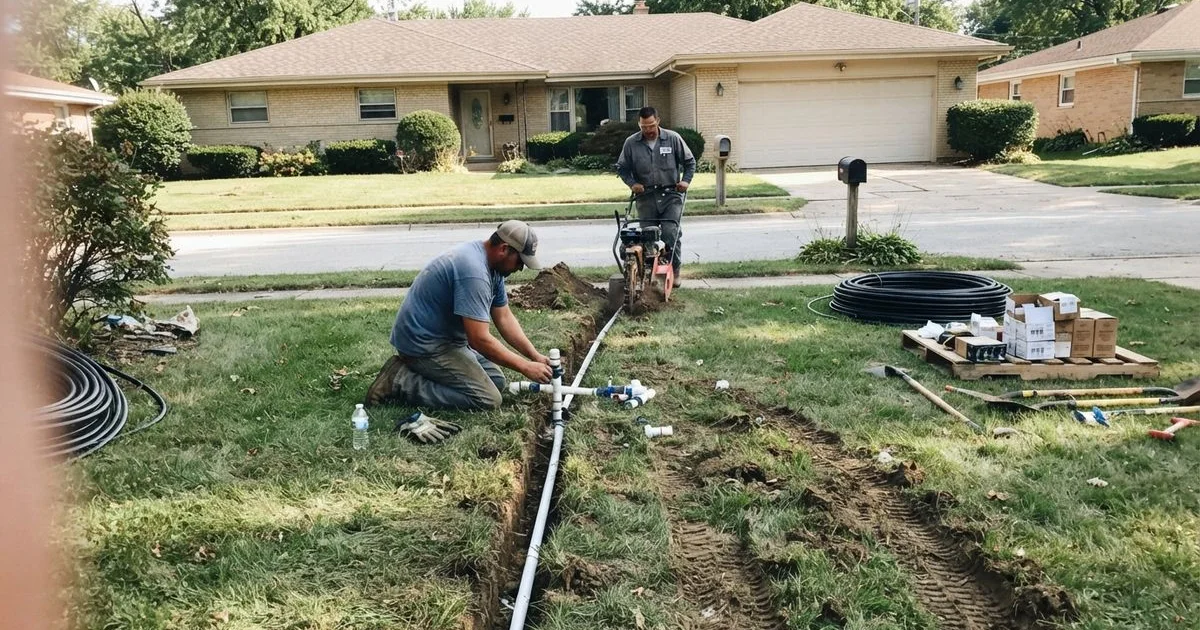
An in-ground sprinkler system is one of the more useful upgrades for a Spartanburg yard, given how quickly clay-heavy soil dries out and cracks in a hot summer. It is also a project where quotes can look wildly different from one installer to the next, mostly because they are not always quoting the same scope. Here is what actually changes the number.
The variables that set the price
Yard size. More area to cover means more pipe, more heads, and more labor hours trenching. This is the single biggest driver, and it scales fairly predictably with square footage.
Number of zones. Each zone runs on its own valve and schedule, so a yard split into more zones needs more valves, wiring, and controller capacity. Zones are usually split by sun exposure, slope, and plant type (turf, beds, and shade areas often need different watering schedules), so a yard with varied landscaping typically needs more zones than a flat, uniform lawn of the same size.
System type. A basic spray system is the least expensive option. A standard system that mixes drip lines for beds with spray or rotor heads for turf costs somewhat more, and a smart controller with rain and soil sensors adds further to the upfront price while aiming to reduce water waste over time.
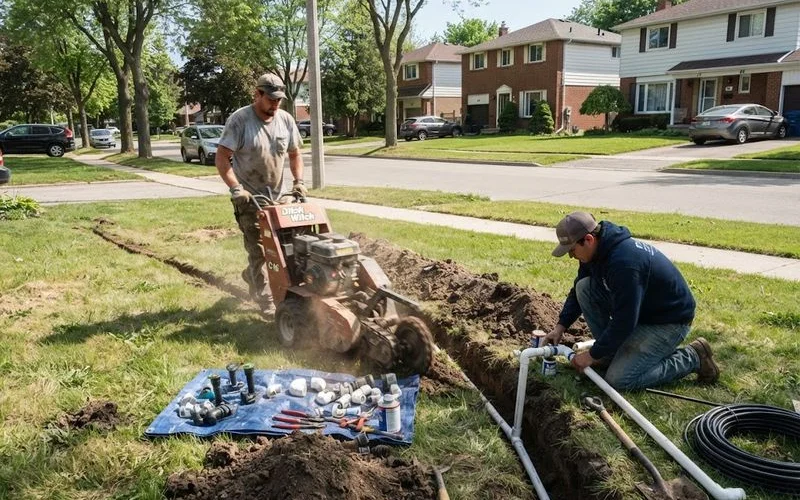
Cost drivers at a glance
| Factor | Effect on installation price |
|---|---|
| Larger yard or more turf area | Increases cost, more pipe and labor |
| More zones | Increases cost, more valves and wiring |
| Basic spray-only system | Lowest cost option |
| Standard system with drip and spray combined | Moderate cost increase |
| Smart controller with sensors | Adds to upfront cost, may reduce water bills over time |
| Difficult site access or rocky soil | Can increase labor time and cost |
What is usually included, and what is not
A full installation typically covers trenching, pipe, heads or emitters, valves, wiring, and a controller. A backflow preventer is required under South Carolina plumbing code on most residential systems, so make sure it is priced in rather than added later as a surprise line item. Site restoration (filling trenches and re-seeding any disturbed turf) is sometimes included and sometimes billed separately, so ask directly.
Not included in most base quotes: ongoing service like spring startup and fall winterization, which are typically billed as separate seasonal visits. Skipping the fall shutoff is one of the more common causes of cracked pipes and valves once temperatures drop, so budget for at least one seasonal service visit a year even if it is not part of the install price. If your existing system is already showing that kind of wear, the signs an irrigation system needs repair versus replacement are worth checking before you pay for a brand-new install.
Getting quotes you can actually compare
Ask each installer for the same breakdown: number of zones, head or emitter type per zone, controller brand and features, whether a backflow device and permit are included, and what warranty covers labor versus parts. A quote that looks cheaper on paper sometimes leaves out the backflow device or assumes a simpler zone layout than your yard actually needs.
A good installer starts with a site walk rather than a phone estimate: measuring water pressure, mapping sun and shade separately from turf and beds, and explaining how they are dividing zones before quoting a number. That kind of walkthrough is a decent signal of the quality of the design work behind the price.
You can browse Spartanburg’s irrigation and sprinkler providers to compare how local installers describe their process, and check our methodology for how we evaluate them. For the full directory, start at the homepage.
Questions people ask
- How many zones does a typical yard need?
- One zone generally covers a limited area of turf, so a mid-size yard often needs several zones to water evenly. Front and back yards, slopes, and sun versus shade areas are usually split into separate zones so each gets the right amount of water.
- Does a smart controller cost a lot more than a basic timer?
- A smart, weather-based controller costs more upfront than a basic timer, but it can reduce water waste over time by skipping cycles after rain. Whether the difference pays for itself depends on your water rates and how hands-on you want to be with manual adjustments.
- Is drip irrigation cheaper than a full sprinkler system?
- For garden beds and foundation plantings, drip lines are usually less expensive to install than sprinkler heads, since they use less pipe and simpler emitters. Most yards end up with a mix: spray or rotor heads for turf, drip for beds.
- Why do quotes vary so much between installers?
- Scope differences are the usual reason. One quote might include a smart controller and backflow testing, while another quotes only the basic build. Always confirm exactly what parts and labor are covered before comparing numbers.